Equine Services For First Responders & Their Families
Horses Know Stress.
Here’s how they help humans:
Mental health and wellness were always a need but never a priority for First Responders.
Until now.
Here’s where we’re at:
80% of firefighters and 90% of police and EMT’s report being exposed to a traumatic event (SAMHSA)
74% of dispatch centers are plagued by staff burnout (NENA and Carbyne)
Roughly 1 in 3 First Responders develop PTSD (Institutes of Health)
Police and Firefighters are more likely to die by suicide than in line of duty (CNA & Forbes, respectively)
What do we do?
We offer Evidence-based, confidential equine-assisted programs specifically designed for police, fire, EMS, and dispatch professionals. We offer these in several formats:
Individual Therapy: ongoing weekly one-hour or intensive (three or more hours)
Group Learning: monthly first responder and women first responder groups for connecting, decompressing, and grounding
Private groups for your station, unit, peer support group, or leadership team
Day-long or half-day retreats for team building, communication, and trust-building
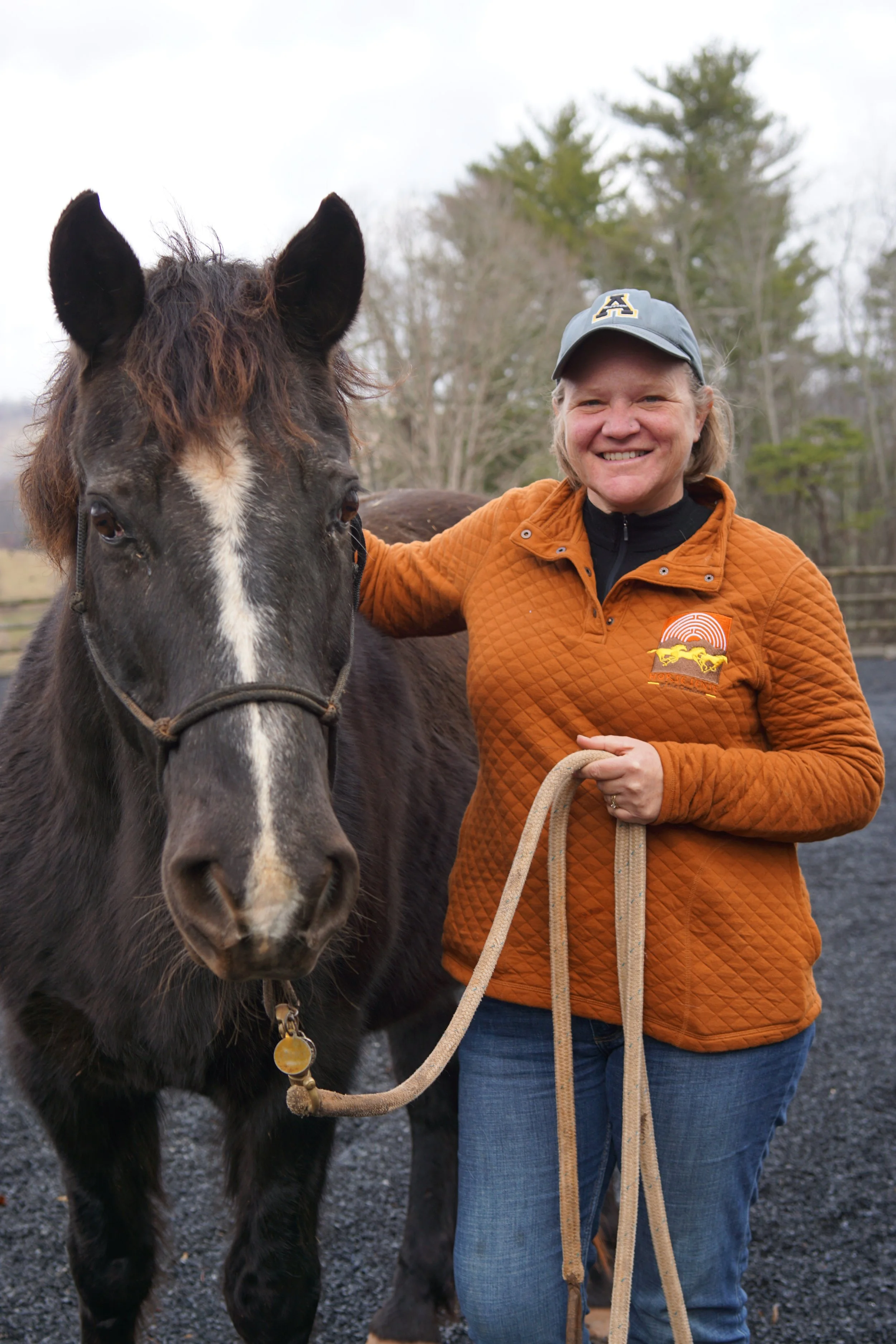
With 20+ years of experience, our team is available to help you tackle the challenges that First Responders face.
Receive more information about our services for first responders:
Why Horses?
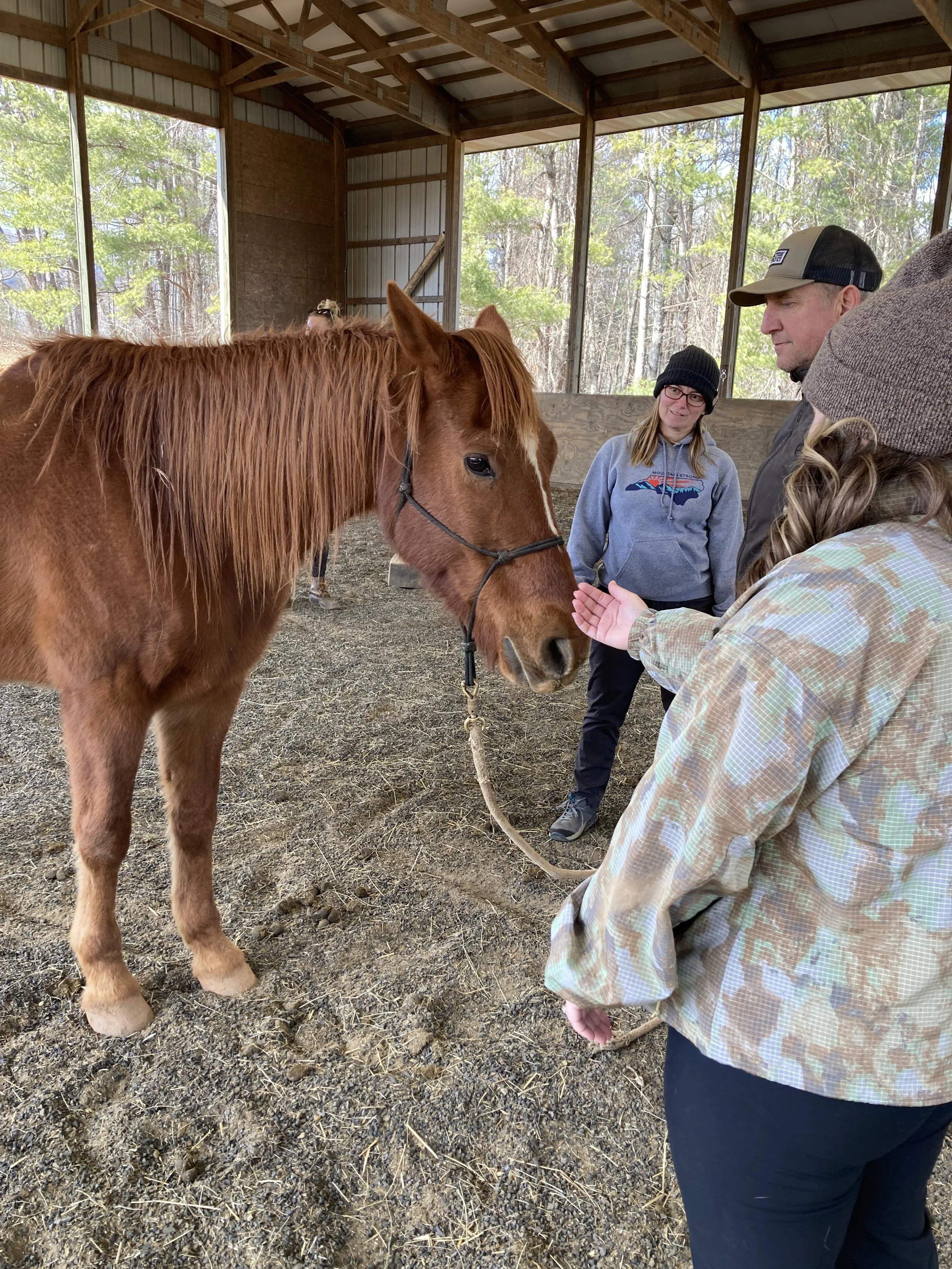
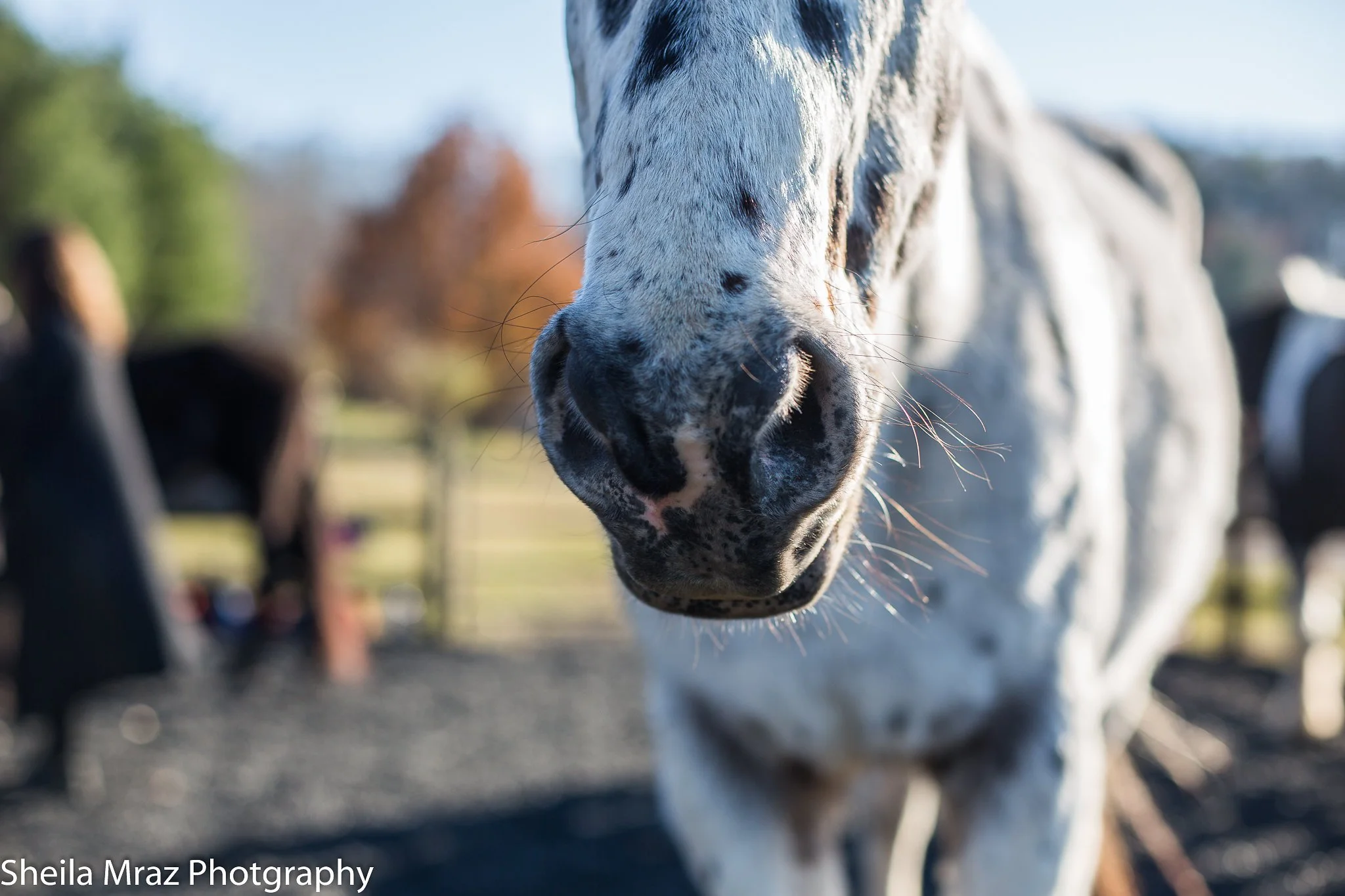
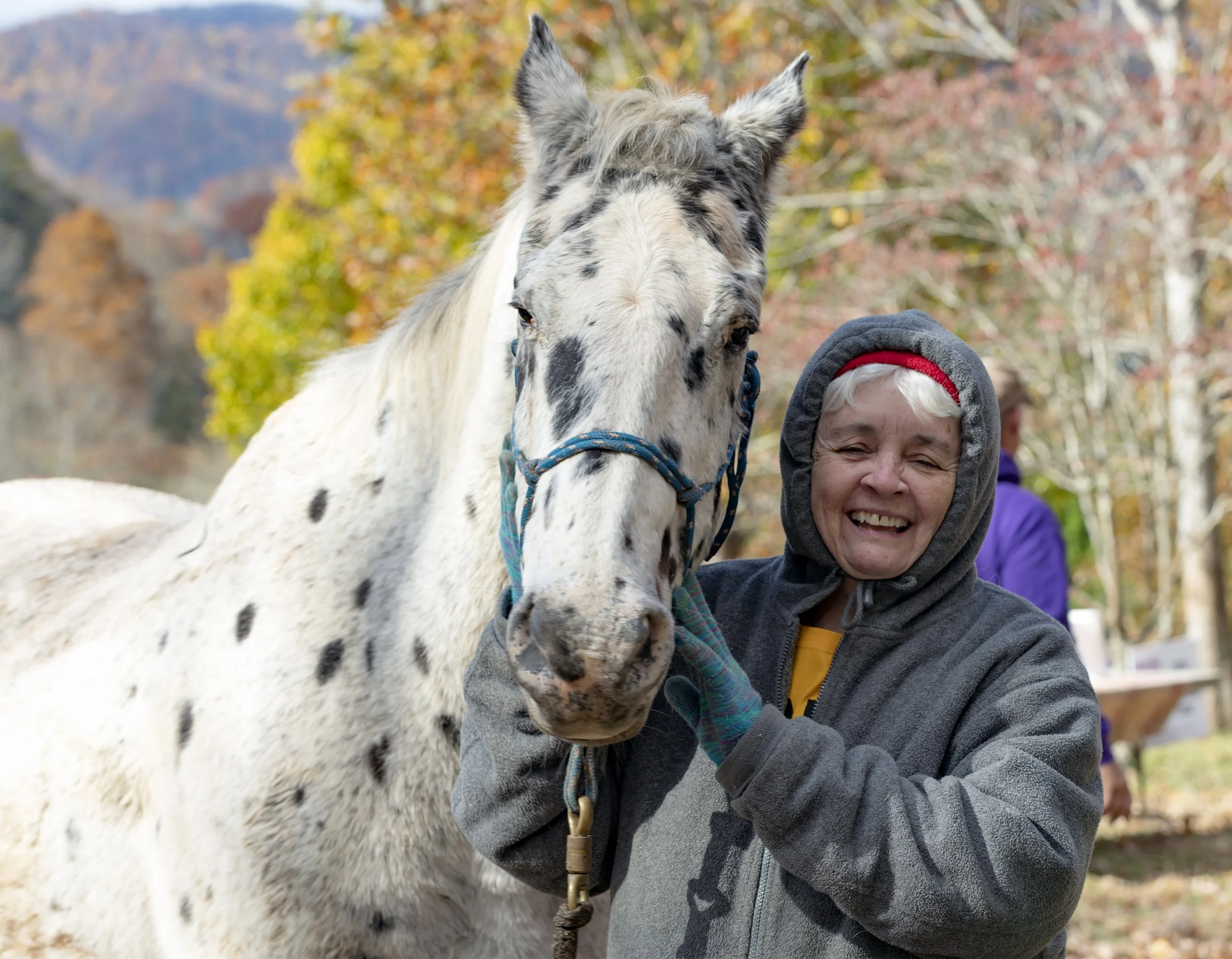
Our rescued horses help clients achieve both physical and psychological health & wellness,
Unlike humans, horses do not criticize or judge; instead, they react to human actions candidly and without bias..
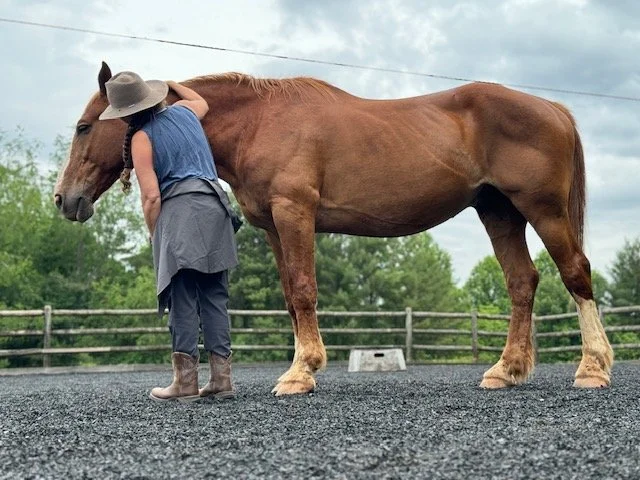
Horses reflect human energy, helping responders identify and regulate stress and PTSD symptoms in real-time.
Horses also understand hypervigilance: how it helps and hurts ourselves and our families.
Horses and responders need to know how to survive, but also how to downshift out of survival mode, i.e. how to take the armor off.
How does it happen?
No horse experience is necessary, and all sessions are ground-based (no riding).
We offer HIPAA-compliant, confidential services.
Certified Professionals: All services are facilitated by a licensed mental health clinician and an equine professional.
Services are provided to first responders and their families at no cost
But, does it work?
78% of our participants report improvements in overall health and well-being
94% indicated stronger communication
81% of participants reported improved mood
Working with Horses Works
